


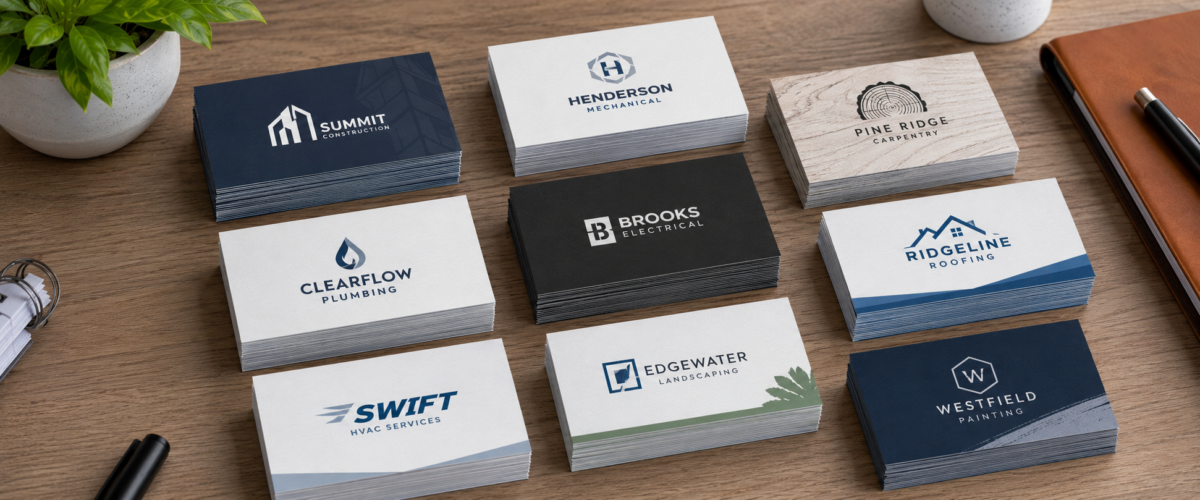
How Business Card Custom Printing Can Make or Break First Impressions
Your business card is often the first physical impression someone has of you and your company. It gets handed across tables, slipped into wallets, and pinned to bulletin boards. In a world where so much communication happens digitally, a well-made business card still carries real weight.
But not all business cards are created equal. The difference between a flimsy, generic card and a professionally custom-printed one can mean the difference between a follow-up call and a card that ends up in the trash. In this post, we’ll break down how business card custom printing can make or break first impressions — and what to look for when getting yours done right.
Why Are Business Cards Important for Making a First Impression?
First impressions happen fast – research suggests within seconds of meeting someone. Your business card extends that impression beyond the handshake. It’s a physical representation of your brand that the other person takes with them.
A poorly printed card signals carelessness. A sharp, well-designed, professionally printed card signals that you take your business seriously. It builds trust before you’ve even had a full conversation.
Think about it this way: if your business card looks cheap, what does that say about the quality of your products or services?
What Makes a Professionally Printed Business Card Stand Out?
There’s a noticeable difference between a card printed on a standard office printer or ordered from a bargain website and one that’s been professionally custom printed. Here’s what separates the two:
- Paper stock: Professional cards use heavier cardstock that feels substantial in hand. Thin, flimsy cards bend easily and feel forgettable.
- Color accuracy: Professional printing uses calibrated equipment that produces rich, consistent color. Home or budget printing often results in dull, off-color output.
- Finish options: Matte, gloss, soft-touch, or spot UV finishes add a tactile quality that makes your card memorable.
- Sharp edges and clean cuts: Professional cutting equipment produces clean, straight edges. Budget cards often have rough or uneven cuts.
- Custom sizing and shapes: Standard sizes are fine, but custom dimensions or die-cut shapes can make your card truly one of a kind.
These details add up. When someone holds your card, they feel the quality – and that feeling gets associated with your brand.
How Do You Design a Business Card That Creates a Strong First Impression?
Great printing starts with great design. Here are the key elements of a business card that makes an impact:
- Keep it clean: Less is more. Your name, title, company, phone, email, and website are usually enough. Cluttered cards are hard to read and easy to ignore.
- Use your brand colors and logo: Consistency across all your materials – cards, letterhead, forms – reinforces brand recognition.
- Choose readable fonts: Fancy script fonts might look nice on screen but can be hard to read in print. Stick to clean, professional typefaces.
- Leave some breathing room: White space isn’t wasted space – it makes your information easier to absorb at a glance.
- Design for print, not screen: Use high-resolution files (300 DPI minimum) and set your colors to CMYK, not RGB, to ensure accurate color reproduction.
If you’re not a designer, many professional printers – including PrintIt4Less – can help guide you through the process or work with templates that make it easy.
What Information Should Be Included on a Custom Business Card?
This depends on your business, but here’s a solid standard checklist:
- Full name and job title
- Company name and logo
- Phone number
- Professional email address
- Website URL
- Physical address (if relevant)
- Social media handles (if relevant to your business)
- QR code linking to your website or portfolio (optional but increasingly popular)
One thing to avoid: cramming everything in. If you have multiple phone numbers, multiple emails, and three social handles, pick the most important ones. The goal is to make it easy for someone to reach you, not to overwhelm them with options.
Are Custom Printed Business Cards Still Effective for Networking?
Absolutely – and in some ways, they’re more effective than ever. In an era where everyone exchanges digital contact info, a physical business card stands out precisely because it’s tangible.
Studies consistently show that people remember physical interactions more vividly than digital ones. Handing someone a quality business card creates a moment – a small but real human connection – that a LinkedIn request simply doesn’t replicate.
For industries like construction, real estate, legal services, healthcare, trades, and retail, business cards remain one of the most cost-effective networking tools available. And for any business that meets clients or partners in person, they’re still essential.
The key is quality. A well-made card gets kept. A cheap one gets tossed.
Printing Business Cards: What Are Your Options?
When it comes to actually printing your cards, you have a few routes:
- Office printers: Fine for internal documents, but not suitable for business cards. The paper stock, color quality, and cut won’t meet professional standards.
- Big-box or budget online printers: Low cost, but you often get what you pay for – thin cardstock, inconsistent color, and limited customization.
- Professional print shops: Better quality, but can be expensive for smaller quantities and may have limited customization options.
- Specialized professional printers: The best option for businesses that want quality, customization, and competitive pricing. You get access to premium materials, expert guidance, and a streamlined ordering process.
For businesses that want their cards to actually make an impression, working with a specialized professional printer is the clear choice.
How to Print Business Cards the Right Way
Here’s a simple process to make sure your cards come out exactly right:
- Start with a print-ready file: PDF format is preferred. Make sure your design is at 300 DPI with proper bleed (usually 0.125 inches on each side).
- Choose your stock and finish: Standard 14pt or 16pt cardstock works for most businesses. Add a gloss or matte finish for a more polished look.
- Proof carefully: Always review your digital proof before approving. Check spelling, phone numbers, and email addresses — errors are expensive to reprint.
- Order enough: Cards are significantly cheaper per unit at higher quantities. If you’re happy with the design, order enough to last 6–12 months.
- Store them properly: Keep cards in a case or box to prevent bending and edge damage before use.
Why PrintIt4Less for Business Card Custom Printing?
At PrintIt4Less, we specialize in high-quality custom business card printing for businesses of all sizes — from solo entrepreneurs to multi-location operations. Here’s why businesses trust us with their cards:
- Premium materials: We use quality cardstock and professional-grade inks that produce sharp, vibrant results every time.
- Custom options: Choose your size, stock, finish, and quantity. We work with your specs, not against them.
- Affordable pricing: Professional quality doesn’t have to mean premium prices. We keep our rates competitive so you get more for your budget.
- Easy online ordering: Upload your file, pick your options, and place your order in minutes.
- Fast turnaround: We know you need your materials on time, and we deliver.
Whether you’re ordering your first set of cards or refreshing your brand with a new design, we’re here to help you make the right impression.
Ready to Make Your First Impression Count?
Your business card is a small thing that makes a big difference. Don’t leave that impression to chance.
Browse our business card printing options and get a quote today — we’ll help you create a card that people actually keep.
Tags: Business Cards, Business Cards Styles, custom business cards, custom printingCategorised in: Blog
This post was written by Print It 4 Less Team